メルトダウン

In one night across Tokyo's underground, some friends desperately hide evidence of an overdose while others party through the same clubs and alleys, unaware, until sunrise forces both groups to face what they've done and who they've become.

one night.

one death.

MELTDOWN.

Tokyo party kids detonate when their friend overdoses, some covering tracks, some in denial, all forced back together by dawn.

世界 TONE AND WORLD

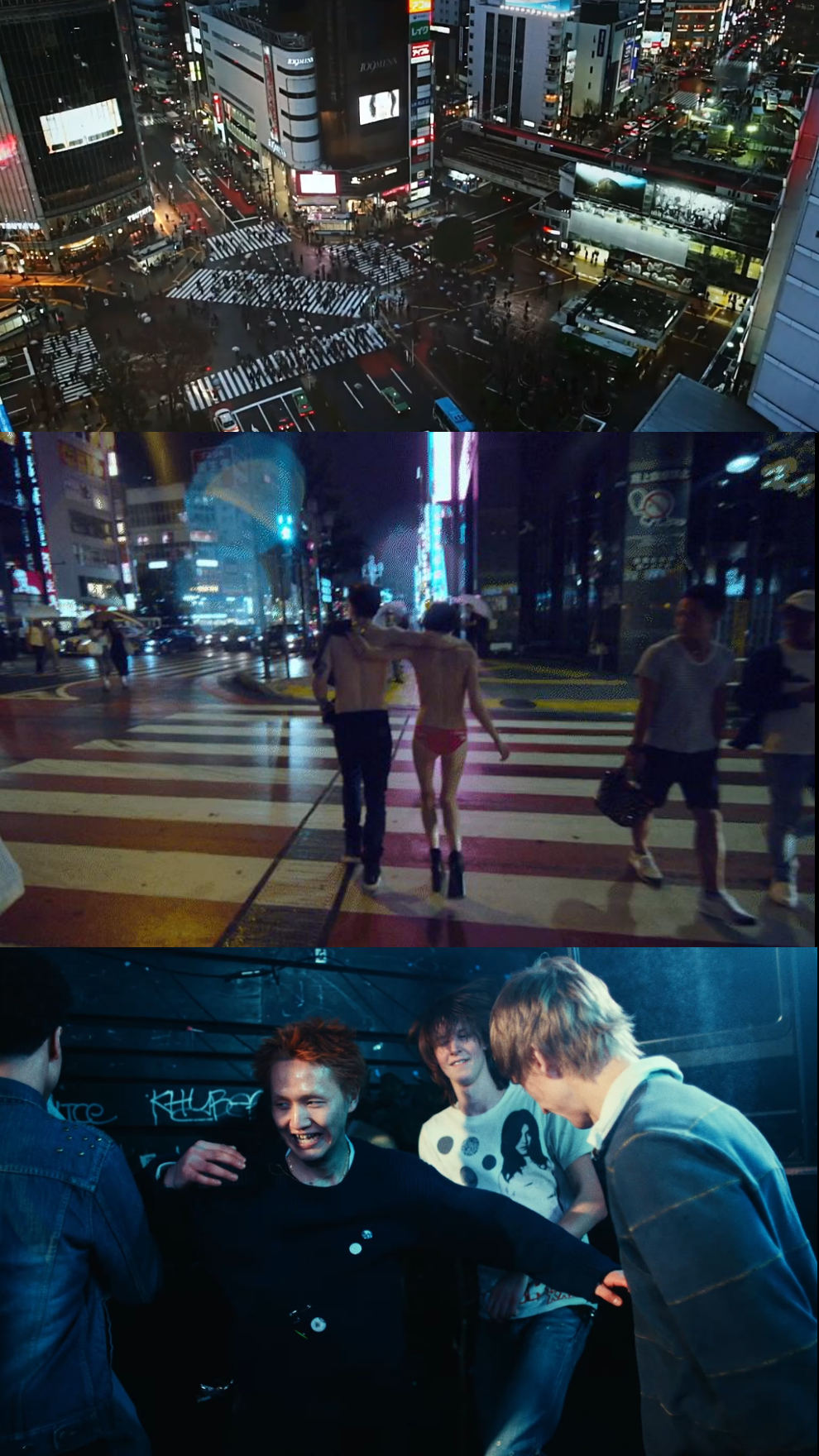
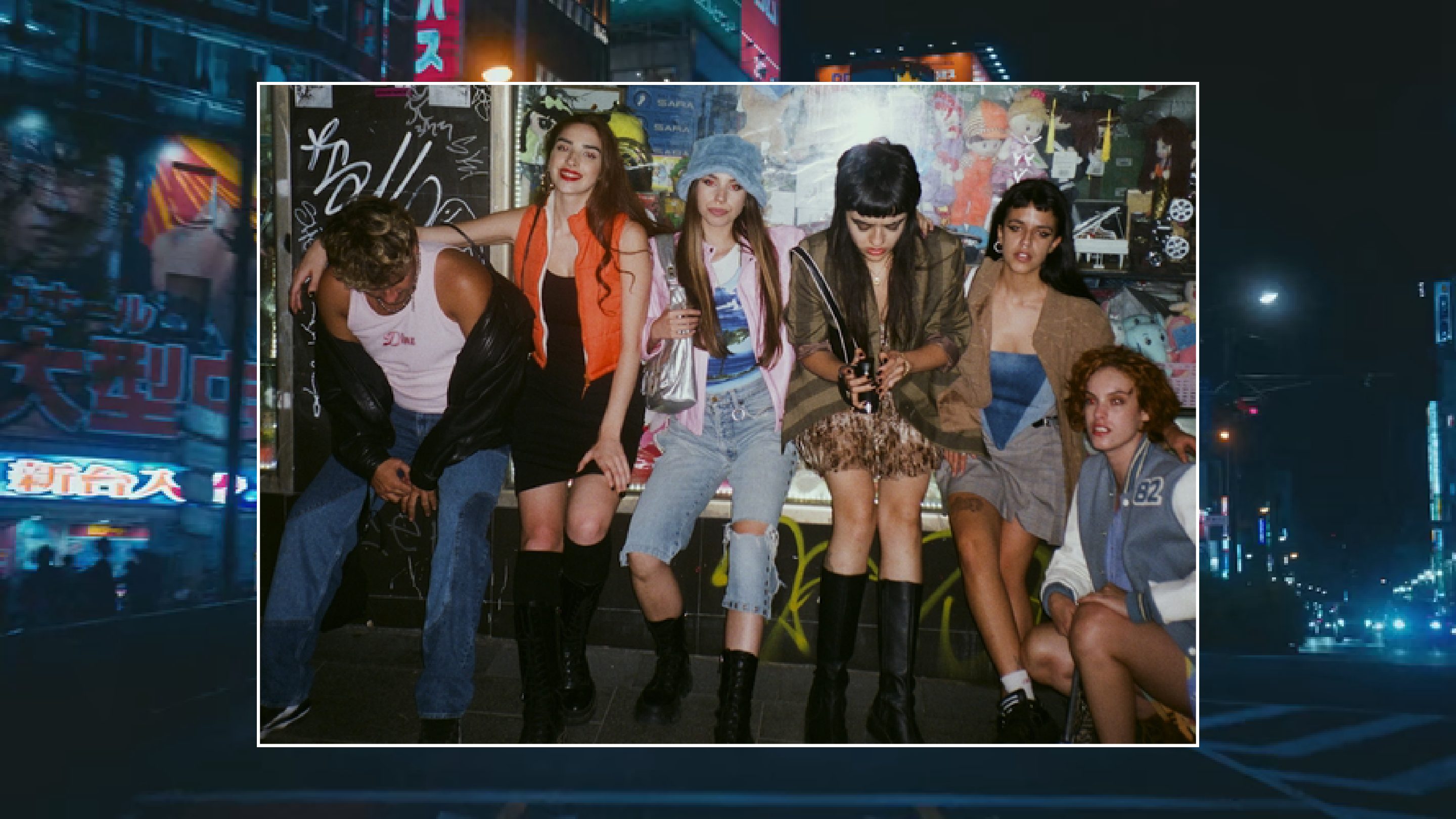
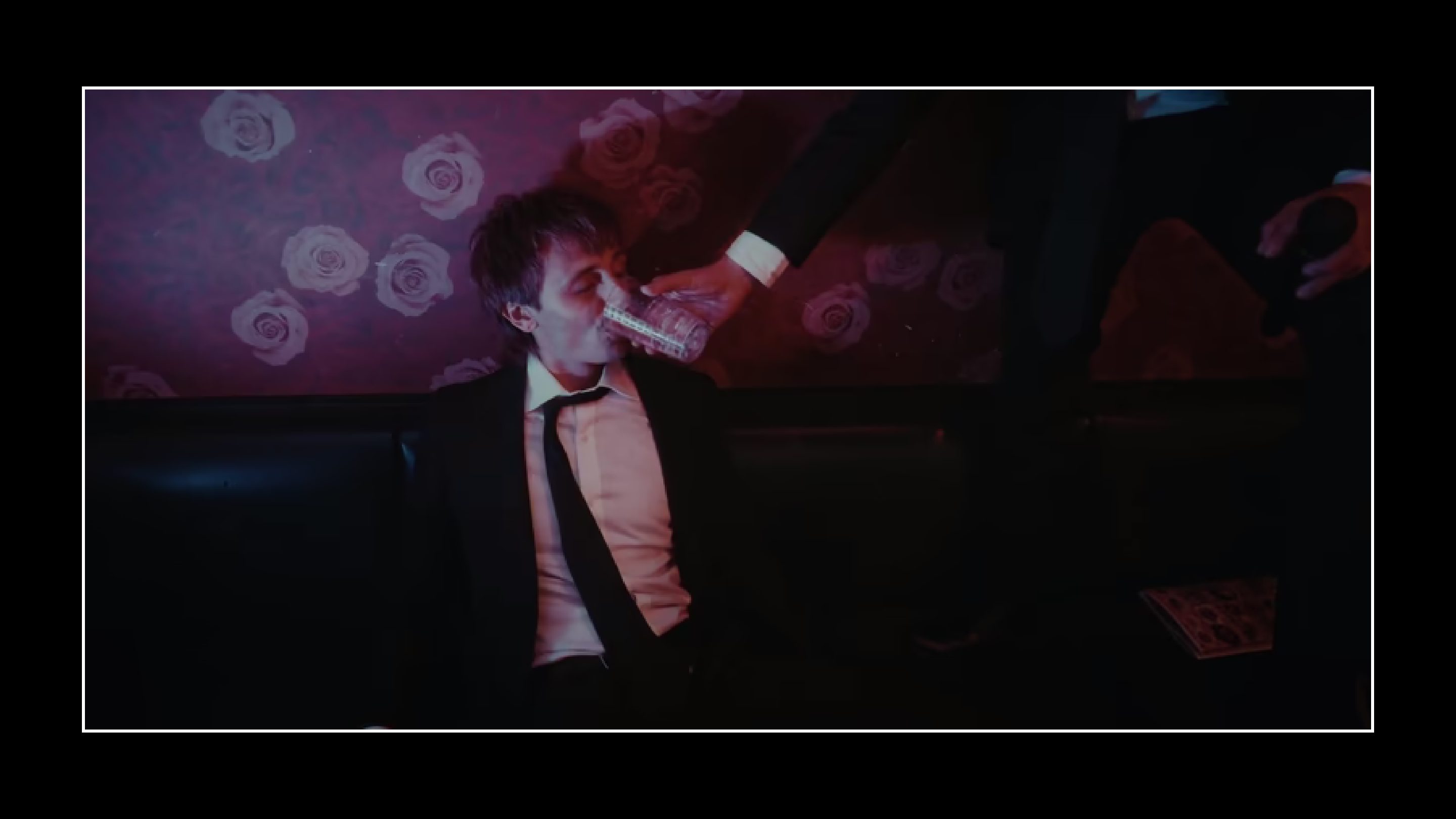
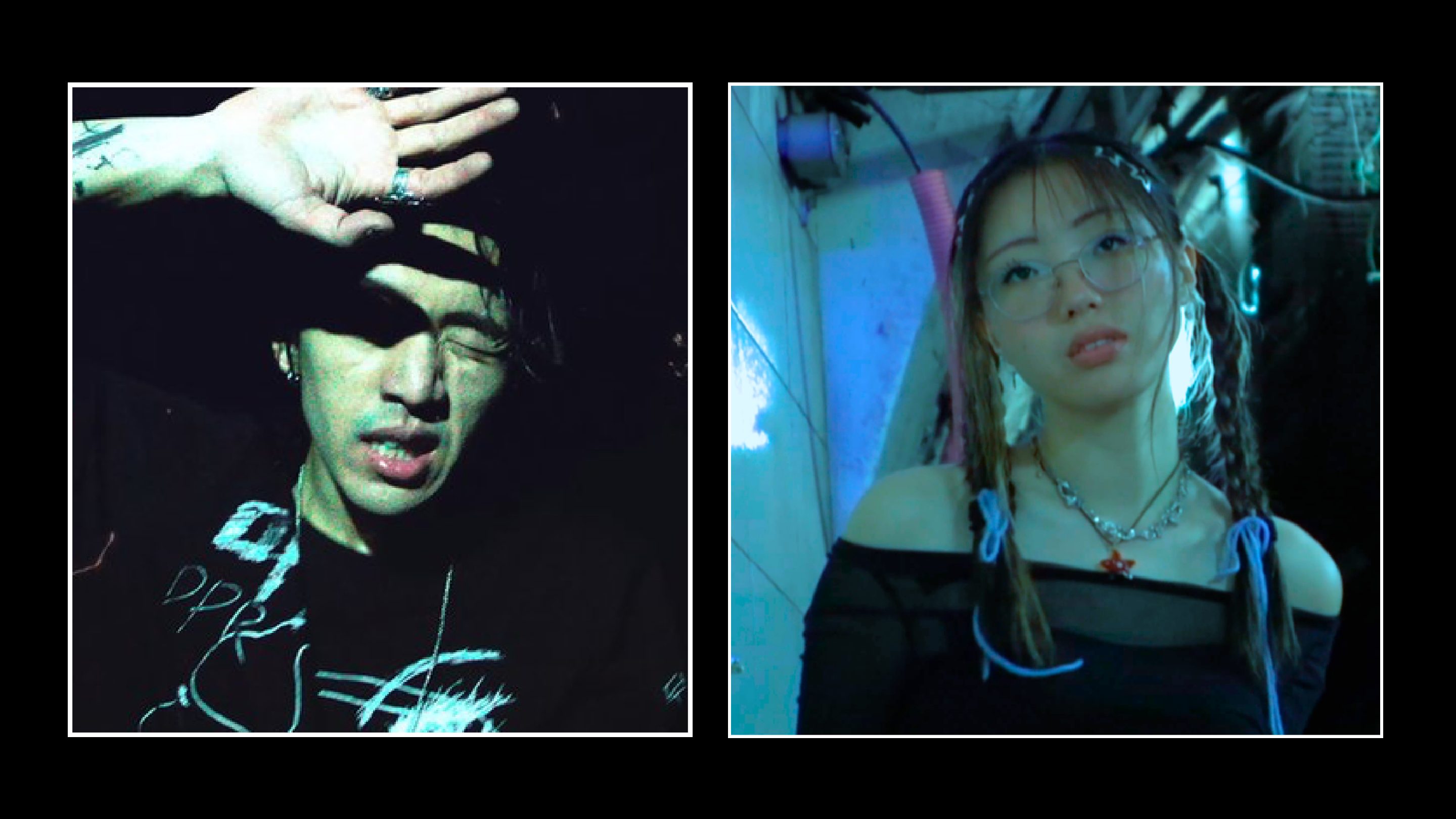
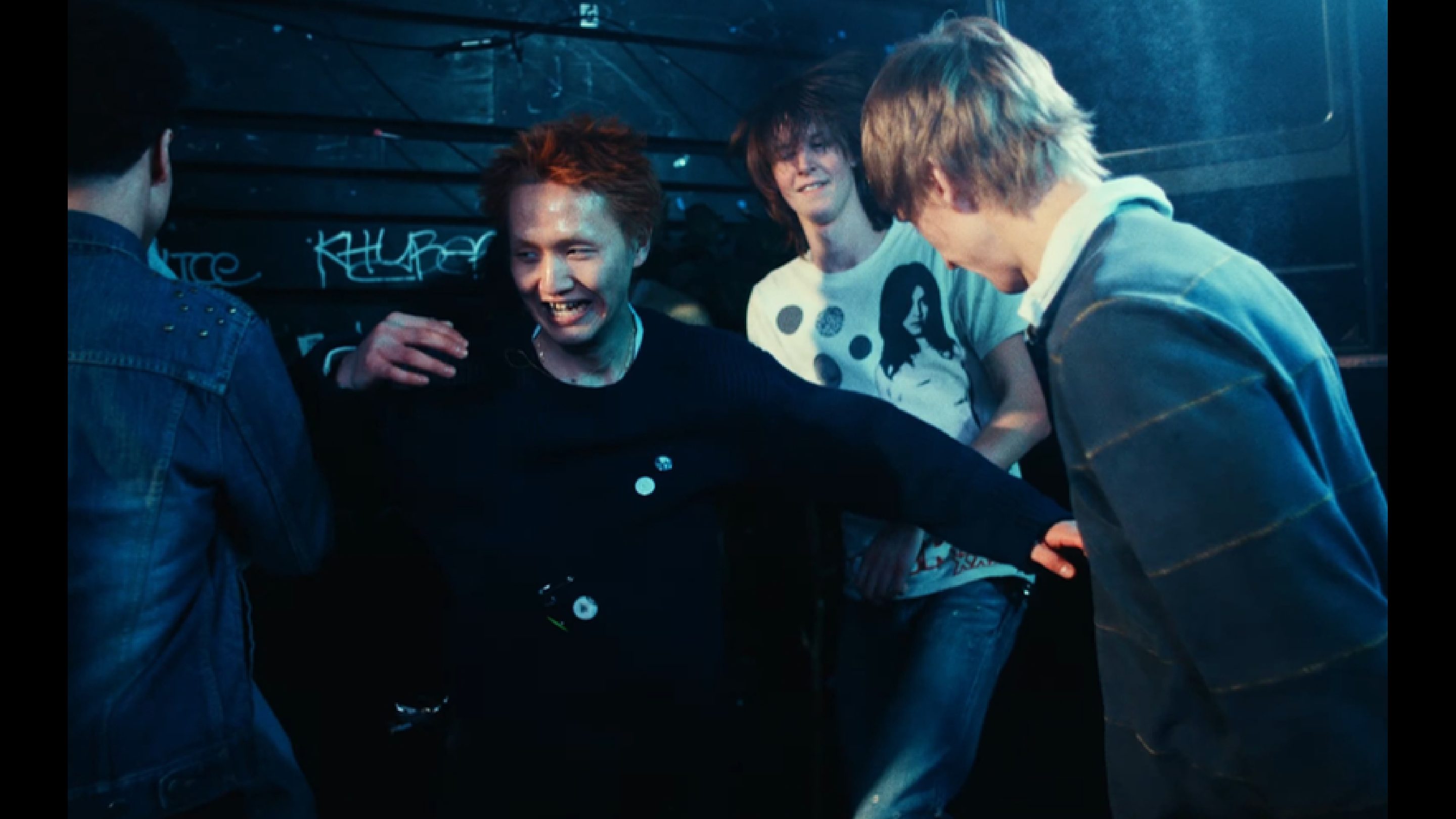
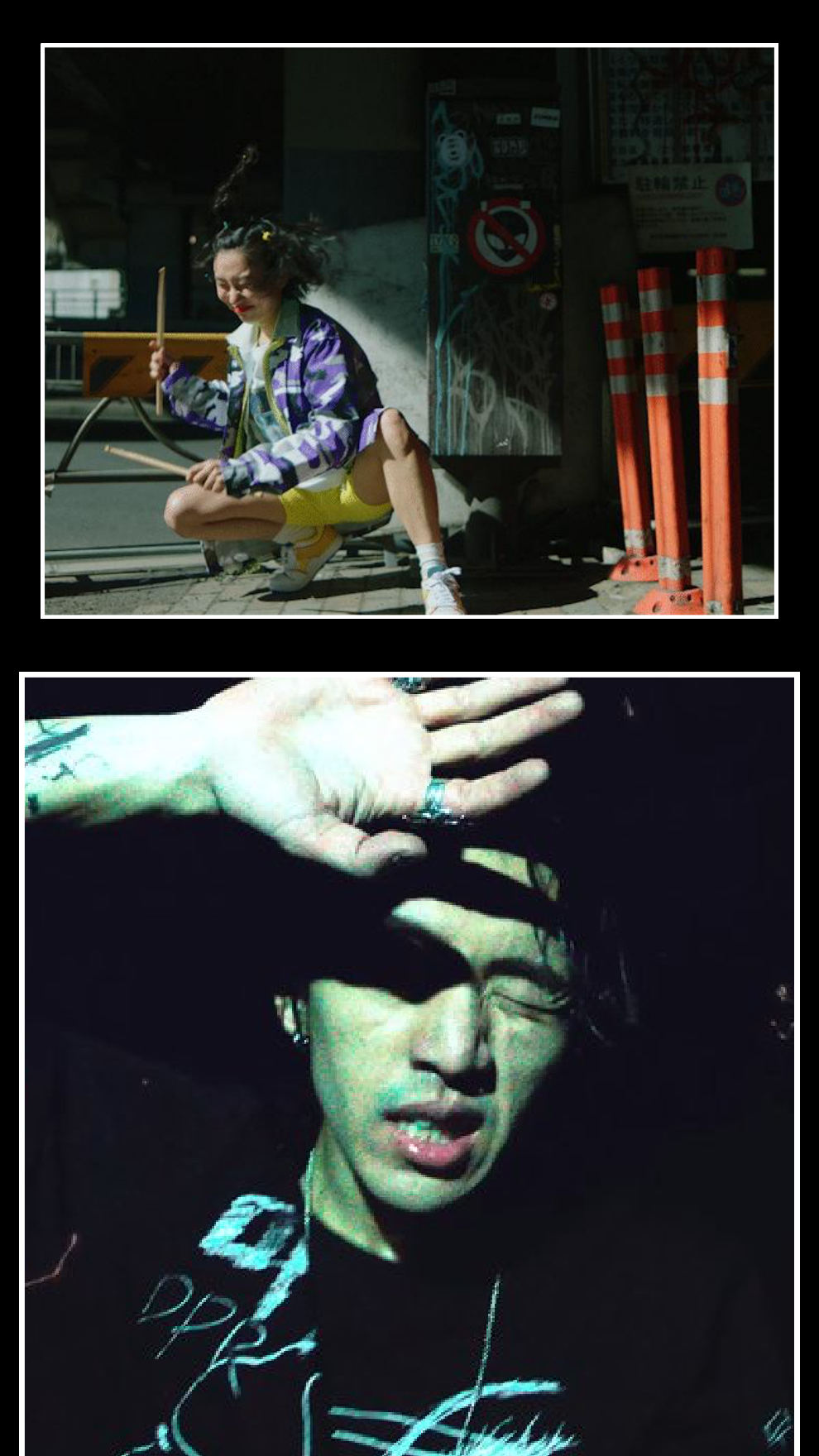
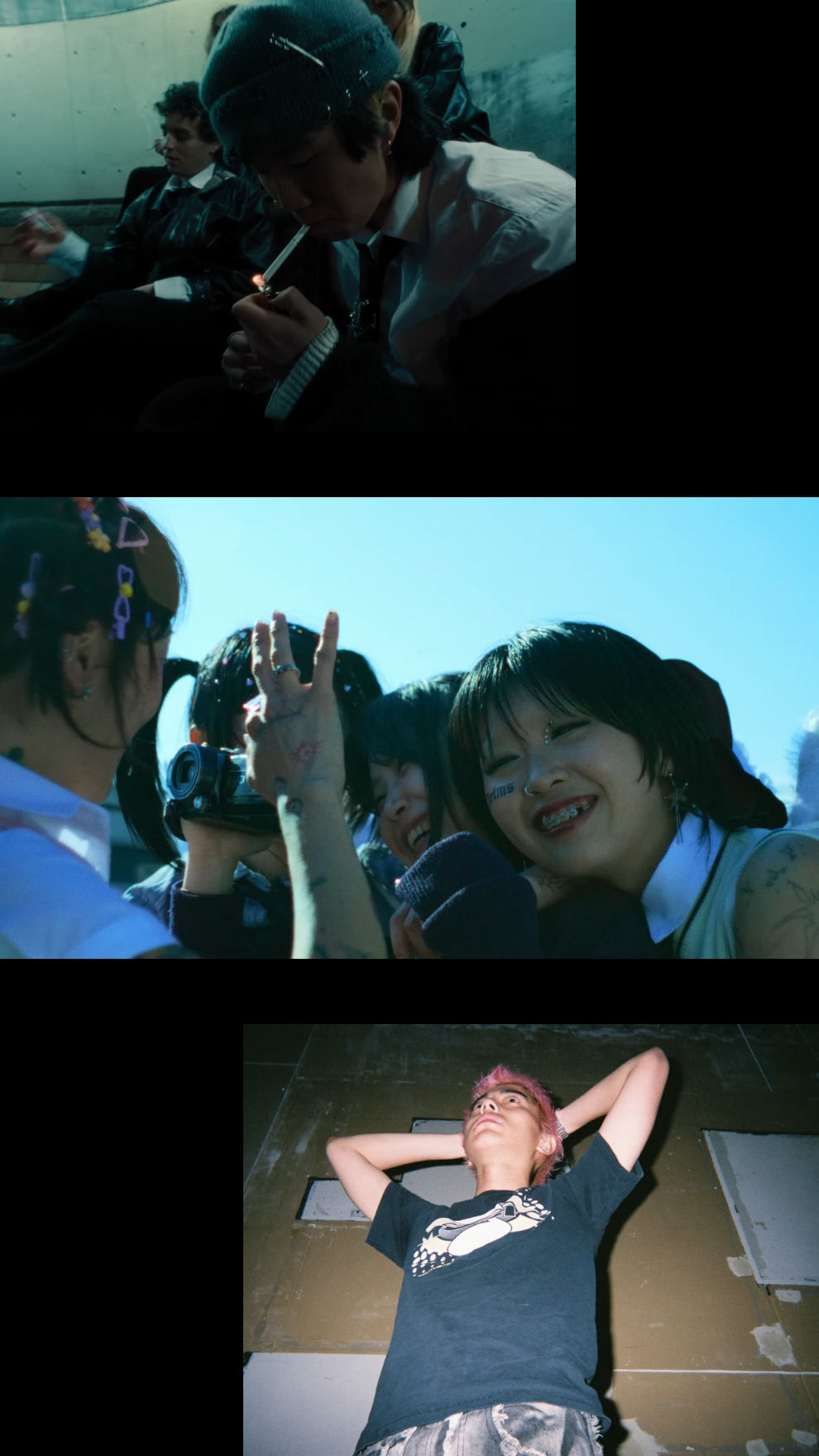
MELTDOWN goes straight to the source, by mixing actors with people pulled from the actual clubs, basement parties, and late-night spots where this story lives.

This hybrid approach captures something you can't script: the texture of right now. How people actually talk at 2am in Tokyo. The unspoken hierarchies of who knows who, who's been where. The specific exhaustion that comes from chasing something just out of reach.

We're documenting Tokyo's underground youth culture before it disappears. In ten years, this scene won't exist. We're making the film now, with the people living it, while there's still time.

物語 THE STORY

MELTDOWN opens on a body in a pile of garbage bags. An arm, a rat, music bleeding from a window above.

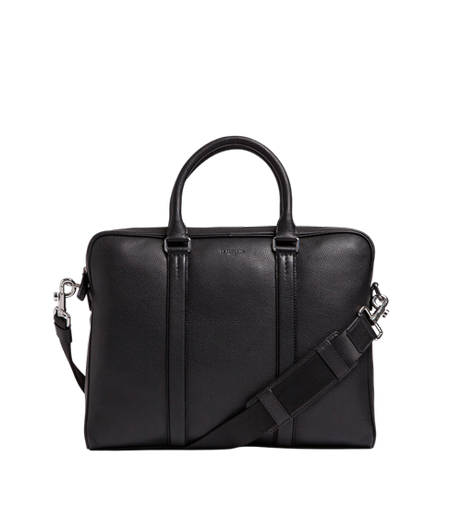
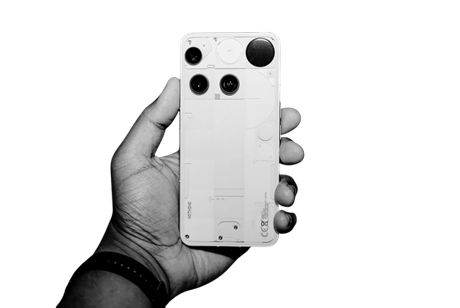
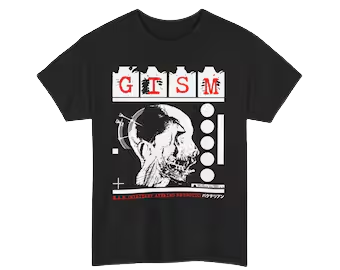
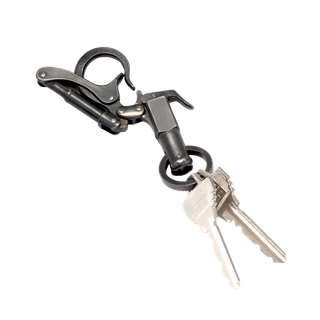
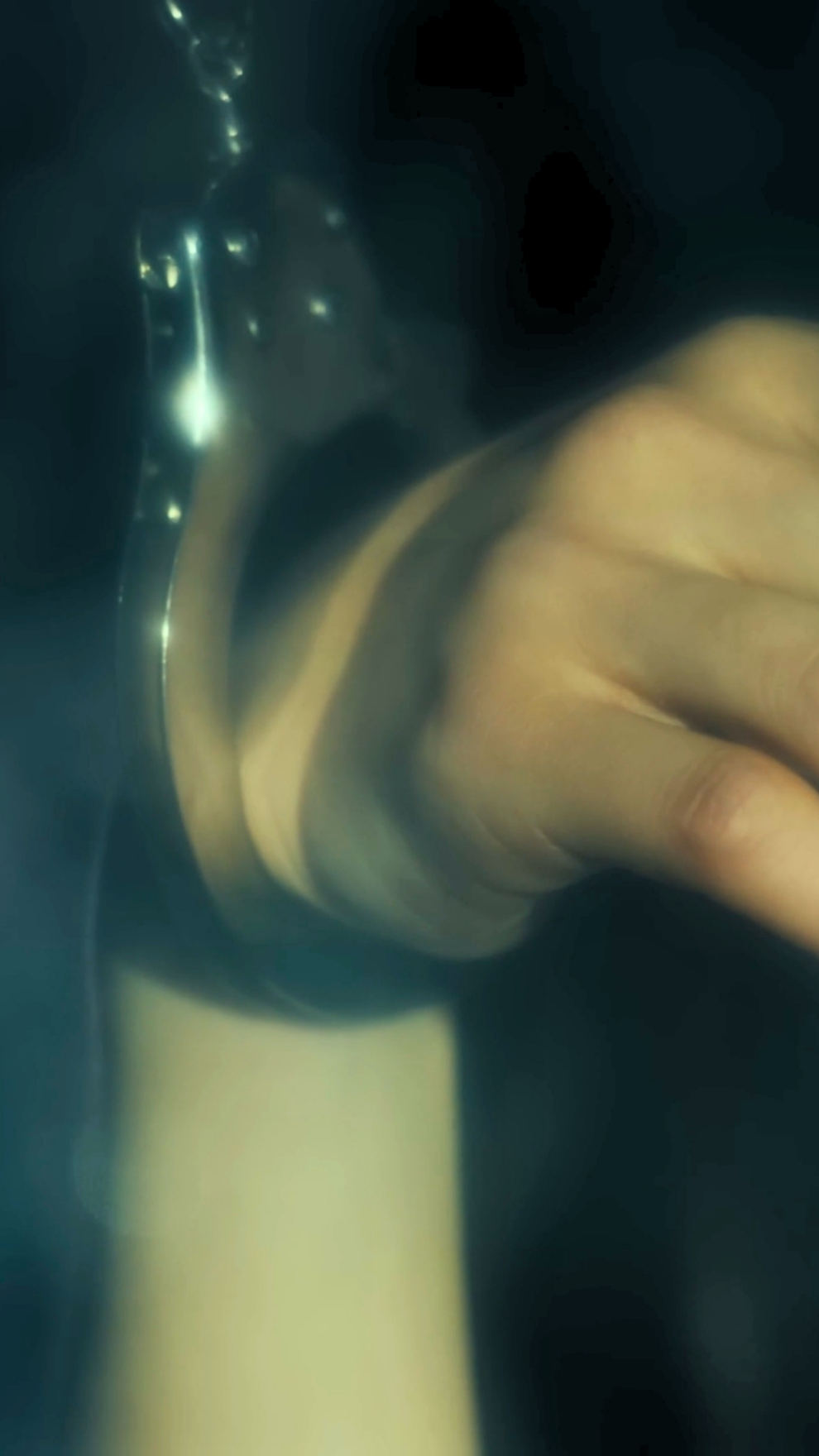
Tek, a young salaryman, moves through Shibuya station and locks himself in a karaoke box. Alone, in 4:3, he peels off the suit. Drugs hidden inside a hollowed-out laptop, street clothes underneath, the real self under that. This is his transformation. Every character gets one. We cut between them as they build toward the same night: Alex photographing a falling-down stranger instead of catching him. Sogi cracking gacha capsules she keeps not wanting. Hinata alone in a hotel, reading the forums shredding her, then assembling a face to go out in. Riku letting herself into Ishii's place with a key on a red cord, pulling on his GISM shirt, feeding his snake, taking Polaroids for a boyfriend who barely looks at her.

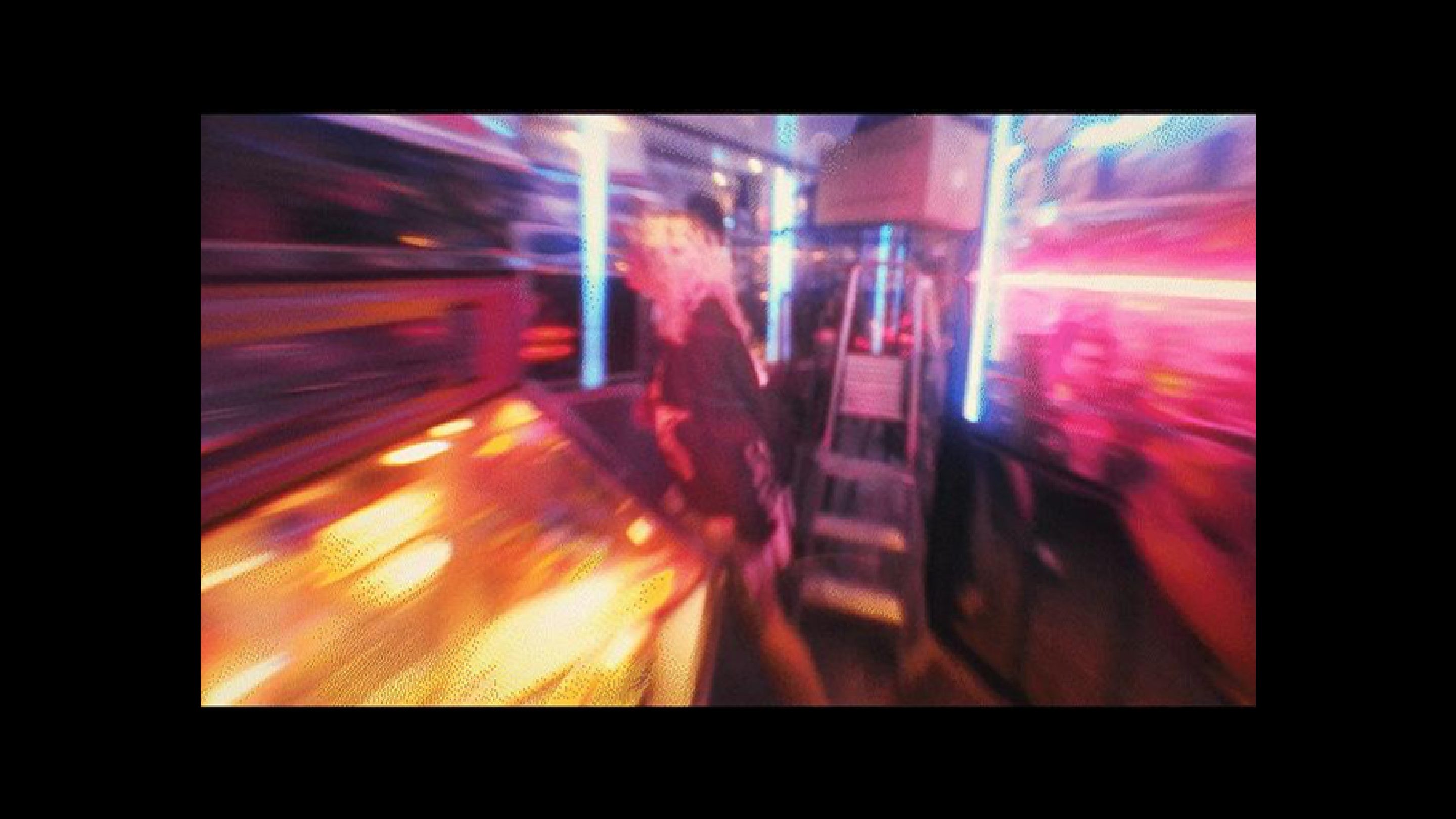
Separate rooms, separate rituals, all bending toward one apartment party. The night explodes. Handheld, 16:9, alive. Ishii gets loaded, drifts off, and steps onto the balcony alone. Fell. Jumped. Pushed. No one sees it. No one agrees on it later.

Tek in the karaoke box

Down at street level, Tek, Riku and Alex are pulling sodas from a vending machine when a shape drops behind them. They don't clock it. Then Riku spots the arm in the trash. Films it, laughing. "Meltdown. Total meltdown." Alex takes the photo. She posts it to close friends. They step around it and go inside. Title card. The camera holds on the pile. The arm moves. It's Ishii. He's still alive.

The rest of the film is the group finding out what they already did. Riku recognizes his shirt in the alley. Kazu talks her out of calling for help: you're seventeen, there are drugs in his system, drugs I gave him. At the club, Ishii's phone rings in Kazu's pocket. Police. He's in the hospital. Relief first, he isn't dead, then the math: if any of us show up, we're suspects. So nobody goes.

He never wakes up. A machine breathes for him while the people who called him family scatter. Tek out of the country, Hinata into airport custody, Riku onto a one-way train, Kazu alone in that apartment staring at the balcony door. Only Sogi signs her real name at the hospital, and even she just looks at him and walks out. Three weeks later the city's forgotten. New girl in platform boots, new tattooed guy in Sogi's orbit, same booth, same song. An undeveloped roll sits in a shop cubby. The pickup slip sits on a bar. Nobody develops it. Nobody watches the footage. The failure never gets looked at.

MELTDOWN isn't about a death. It's the gap between how kids talk about friends and family, and what they actually do when one of them is in trouble, and how easily the night just keeps going.

登場人物 CHARACTERS

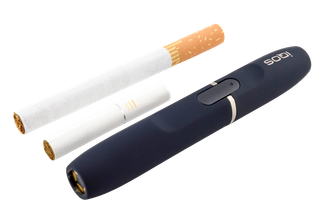
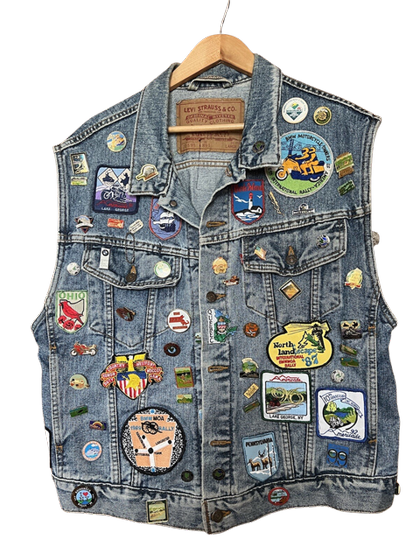
TEK Takeshi Nakamura. Age: 26, Japanese, UC Berkeley graduate (Computer Science) By day, Tek disappears into Tokyo's faceless salaryman masses: cheap Uniqlo suit, fake wire-frame glasses, a forgettable IT consultant hauling a laptop through Shinagawa. By night, he sheds the costume for vintage punk tees and California denim, smuggling high-grade weed from Berkeley in hollowed-out electronics, the same chemistry degree his parents paid for now funding his double life. The underground connector who taught someone a recipe they didn't follow carefully enough. Now Ishii is dead, and Tek knows the truth, he provided the knowledge, the materials, the access; but coming forward means destroying everything. The careful infrastructure he's built across two countries, gone. So he stays silent, chain-smoking American Spirits on club balconies, the "money-bought caged bird" who can't escape either world, watching his friends grieve a death he enabled but can't confess to causing before planning his escape. Only to repeat his ways in a new destination.
HINATA Heung Yeung. actress Sisley Choi *letter of interest signed Age 30. Former Hong Kong model. 36 hours until her flight. A scandal destroyed her career: leaked photos claiming extreme plastic surgery, real or not, turned her into a cautionary tale overnight. Now she's in Tokyo on a dying visa, hiding among kids five years younger, desperately chasing the reckless youth she never got to have. But she can't let go. One drunk photo, one unguarded moment, and the whole discourse starts again. So she stays straight-edge not by choice but by fear, journaling her thoughts instead of living them, watching her friends melt down while she stays composed at the edge of every party. Her only real friend is Sogi, a DJ who doesn't know about Hong Kong, doesn't Google her past, just sees her as Hina. When Ishii dies, that friendship becomes a liability. Her visa expires Monday at 6am. It's Friday night. And she hasn't told anyone she's leaving.
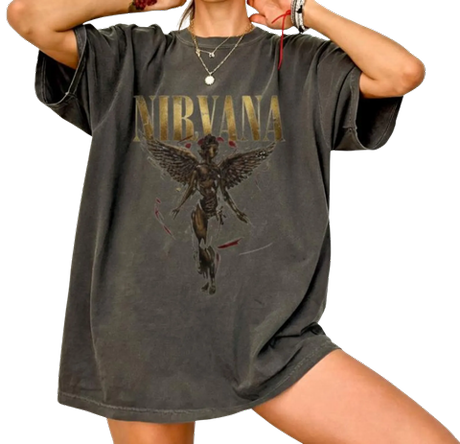
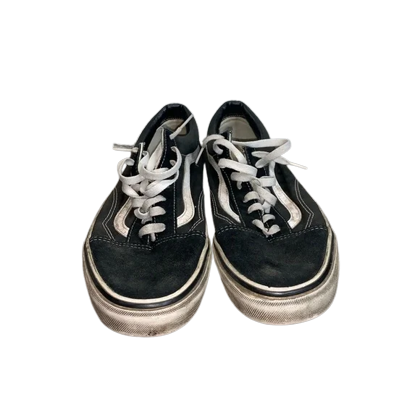
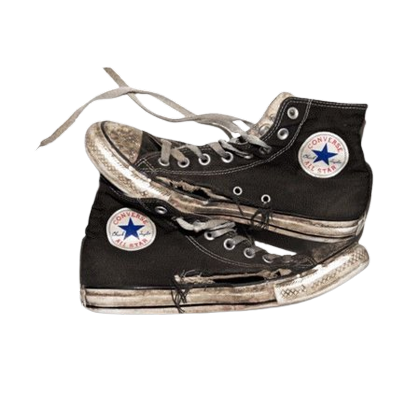
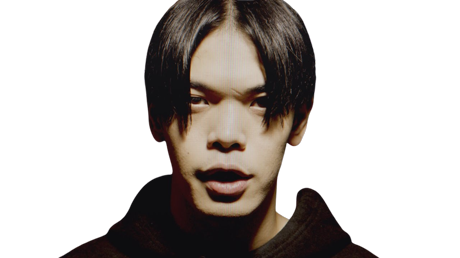
SOGI . Age: 28, Japanese/Korean (born Osaka), DJ/snack bar owner Sogi has the effortless cool of someone who's never tried too hard: oversized vintage band tees, perfectly hemmed baggy jeans, and chunky broken-in Vans or New Balances. Her signature: always a hat (bucket hat or baseball cap) with dyed hair fringes peeking out. Clear acetate glasses perpetually smudged from booth smoke. Detailed weekly nail art she does herself (two hours, changes every week). A USB drive on her keychain: eight years of DJ sets, carefully organized folders, tracks she's been sitting on for the right moment. She layers jewelry subtly: small hoops, delicate chains, maybe a ring or two. Everything about her aesthetic says "I belong in every room I enter" without announcing it. She's the connector who looks like she just rolled out of a record shop in Shimokitazawa but could walk into any Shibuya club and get waved through.
KAZU kazuki. Age 25, Full sleeves, neck tattoos. Looks intimidating until he smiles. Kazu is the scene's reliable plug, but not a kingpin, just the guy who always has something and doesn't fuck people over. He's Tek's main distribution point, moving California weed and various drugs through Tokyo's underground party circuit. He does this not for money or status, but because it keeps him connected. From Saitama, by 18, his visible tattoos made him essentially unemployable in mainstream Japan. His family tried interventions, pressured to "be normal," suggestions to remove the ink. They cut contact at 20, and he moved to Tokyo, and gradually became embedded in the nightlife scene that embraced what straight society rejected. When he leaves the party and sees the EMTs, police tape, a body in the alley, everything clicks. He books it. Kazu becomes the messenger, the hinge between those who know about Ishii's death and those still partying obliviously through Tokyo. His arc is about witnessing versus responsibility. He didn't force anyone to take anything, but he made it possible. He also has a motive and could easily be pinned to Ishii's death, revealing he has a soft spot for Riku, Ishii's girlfriend.
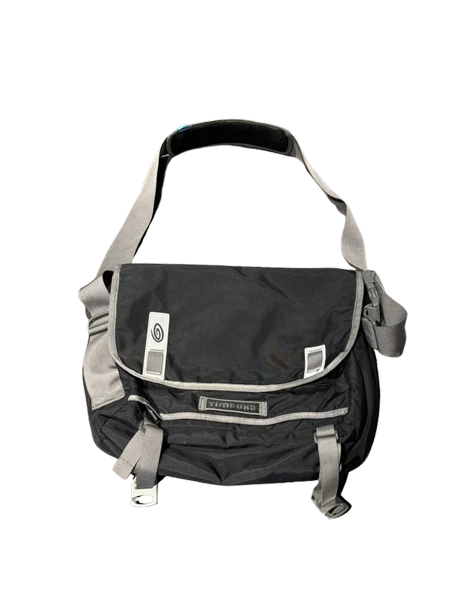
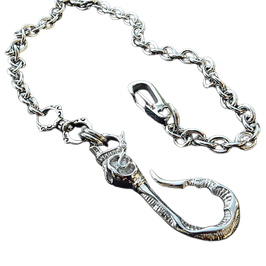
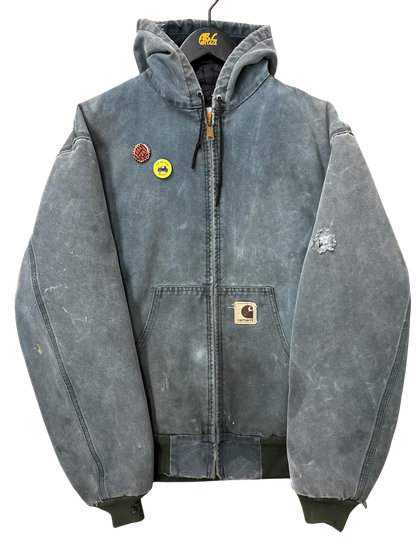
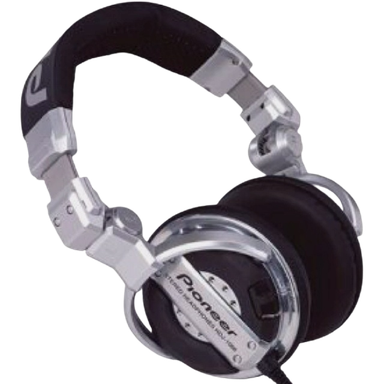
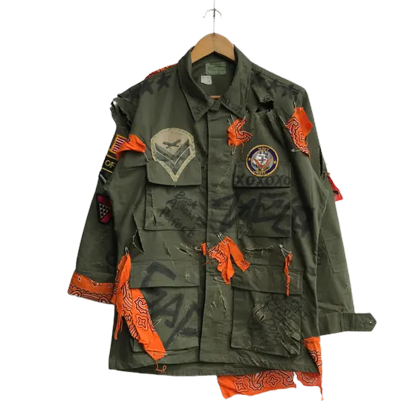
ALEX Alex Miller. Age: 23, White American (from Portland, Oregon), VJ (visual Dj) and student in Tokyo Alex is a VJ and film photographer embedded in Tokyo's nightlife through creative necessity rather than tourism. He moves through Shibuya with a beaten Timbuk2 bag full of cables, backup drives, and a Canon AE-1, documenting the scene that simultaneously accepts and exploits him. His look is studied-casual: vintage Carhartt from Shimokitazawa thrift shops, worn 501s, a silver chain from an ex he should've removed by now. Wired headphones perpetually around his neck, hands marked with Sharpie from labeling film canisters. He's the foreign guy who actually knows the music, who shows up on time, whose visuals elevate DJ sets, but when Ishii dies, Alex becomes the easiest scapegoat in a system designed to convict outsiders. He's holding evidence he doesn't know exists, sitting on footage that could either save or destroy everyone, including himself.
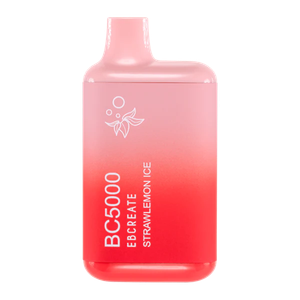
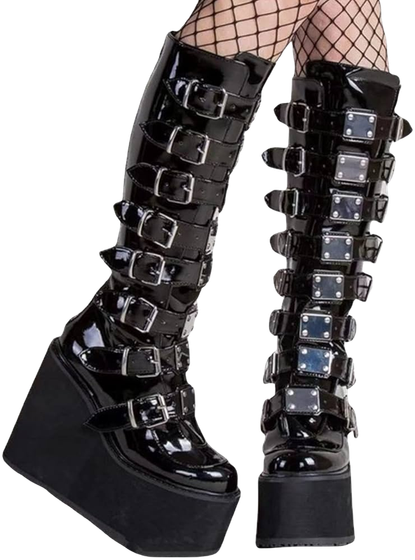
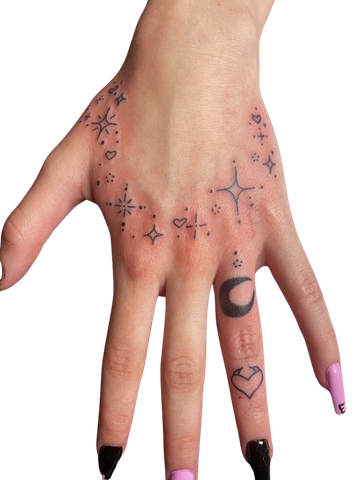
RIKU riku. Age: 17, homeless Toyoko kid holding onto chosen family like a lifeline Riku is a 17-year-old runaway pretending to be 20, sleeping in manga cafes and 24-hour McDonald's, desperate to prove she belongs in Tokyo's underground scene. She wears Ishii's oversized GISM shirt that goes to her knees, platform Demonia boots held together with duct tape, bleached blonde hair with three inches of dark roots showing, stick-and-poke tattoos on her hands (a star, a broken heart, "TOKYO" in shaky letters). Everything she owns fits in one canvas tote bag with a broken strap: phone with cracked screen, stolen konbini makeup, fake ID, strawberry vape she's always hitting nervously, and buried at the bottom in a plastic bag, a gray stuffed rabbit named Usa-chan with one button eye missing that she's had since she was 4. She's the idealist who ran away believing Tokyo would be different, that this crew would be real family, clutching that belief even as she steps over Ishii's dying body without realizing it's him, even as that night teaches her the brutal lesson: you're on your own, no one is coming to save you, and chosen family is a lie we tell ourselves to feel less alone.
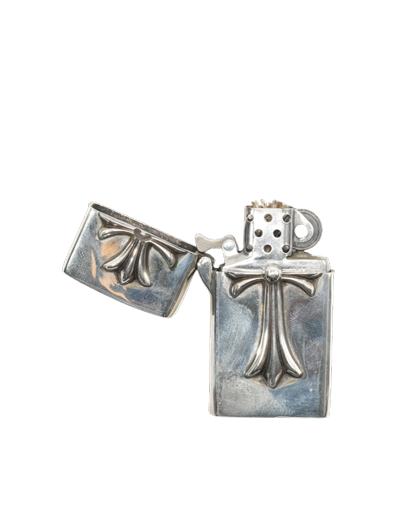
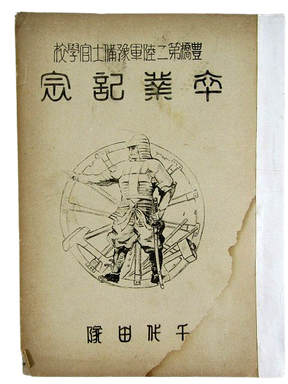
ISHII Kanade Ishii. Age: 21, ponytailed punk in vintage GISM shirts with a darker edge everyone ignores Long hair in a ponytail, vintage GISM shirts, hand-rolled cigarettes. That effortless cool of someone who's been around long enough to not try. He owns a ball python, collects WWII militaria, drops uncomfortable historical facts people brush off because he's too liked to confront. Secret relationship with underage Riku. The night of the party, he stops her from taking hard drugs, asks for cigarettes, goes to the balcony alone. He falls, and is assumed dead, face-down in the alley. Hours earlier, Alex and Riku walked past his body, laughed, filmed it, stepped over him. His death forces everyone to confront what they were willing to overlook; the kindness and the darkness they chose not to see. We find him in coma, and he carries the secret of his near death. Will he ever be able to wake up, remember and tell the truth?
Tonight's the night we finally live, you know? Like really fucking live.

キャスト CAST AND PROCESS

MELTDOWN lives or dies on ensemble chemistry. Our approach: one recognizable American actor and one established Japanese figure making their screen debut, surrounded by a curated ensemble of trained actors and non-actors drawn from the real communities the film depicts.

Casting is led by Ruriko Takahashi, whose credits include Japan casting on HBO's Tokyo Vice and A24's Marty Supreme. Ruriko specializes in street casting, discovering non-actors from real scenes and communities; which is precisely the methodology this film requires.

We'll spend weeks with the cast before cameras roll: extensive workshopping and improvisation built around their actual relationships to guilt, friendship, loss, and the recklessness that defines this world. The script provides the architecture; the characters are then shaped around what we discover in the room, rather than forcing people into predetermined molds.

The result is dialogue that emerges from real dynamics and performances that feel lived-in rather than performed, and our lens catching genuine vulnerability, aggression, and connection.

トーン TONE

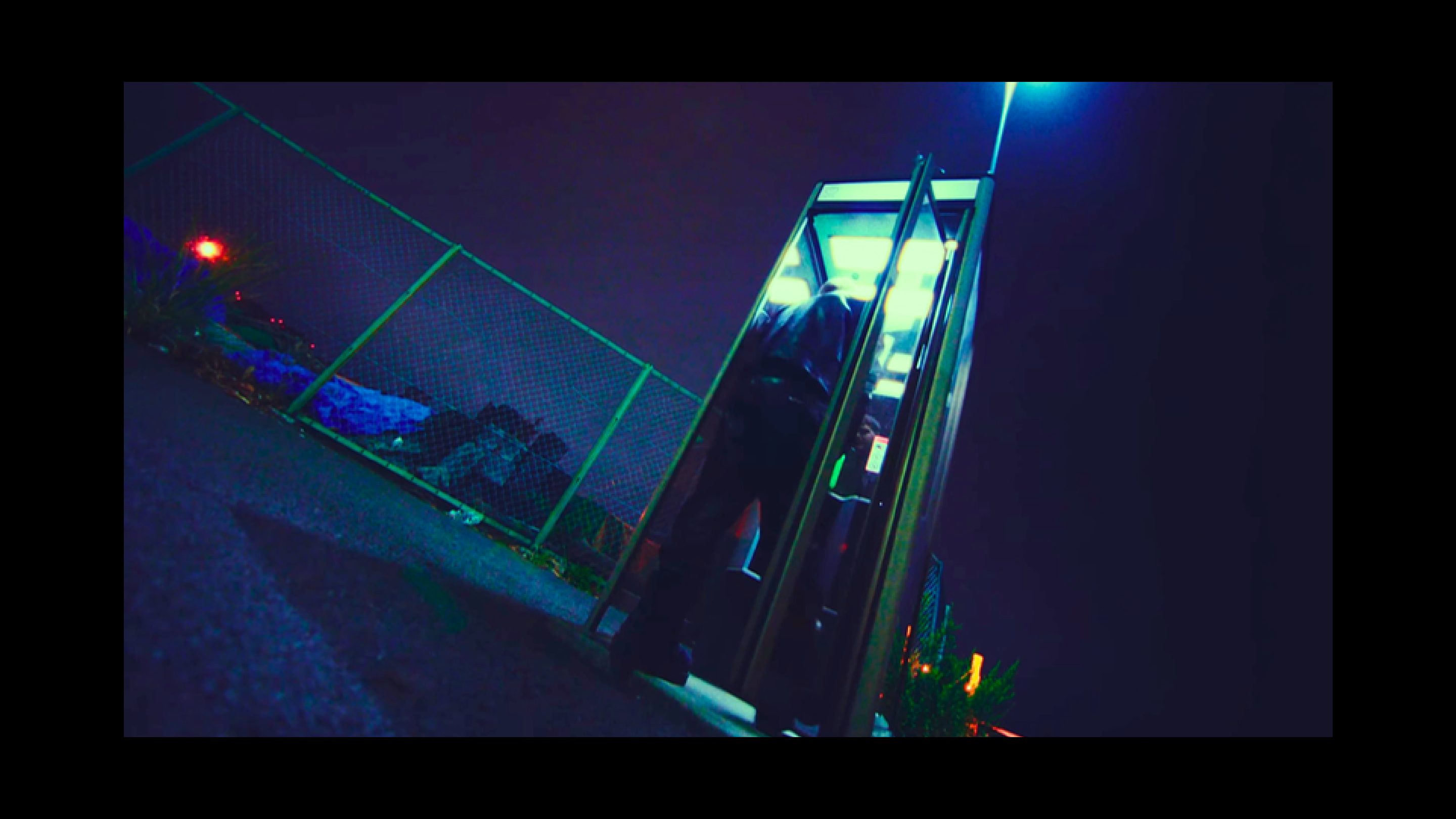
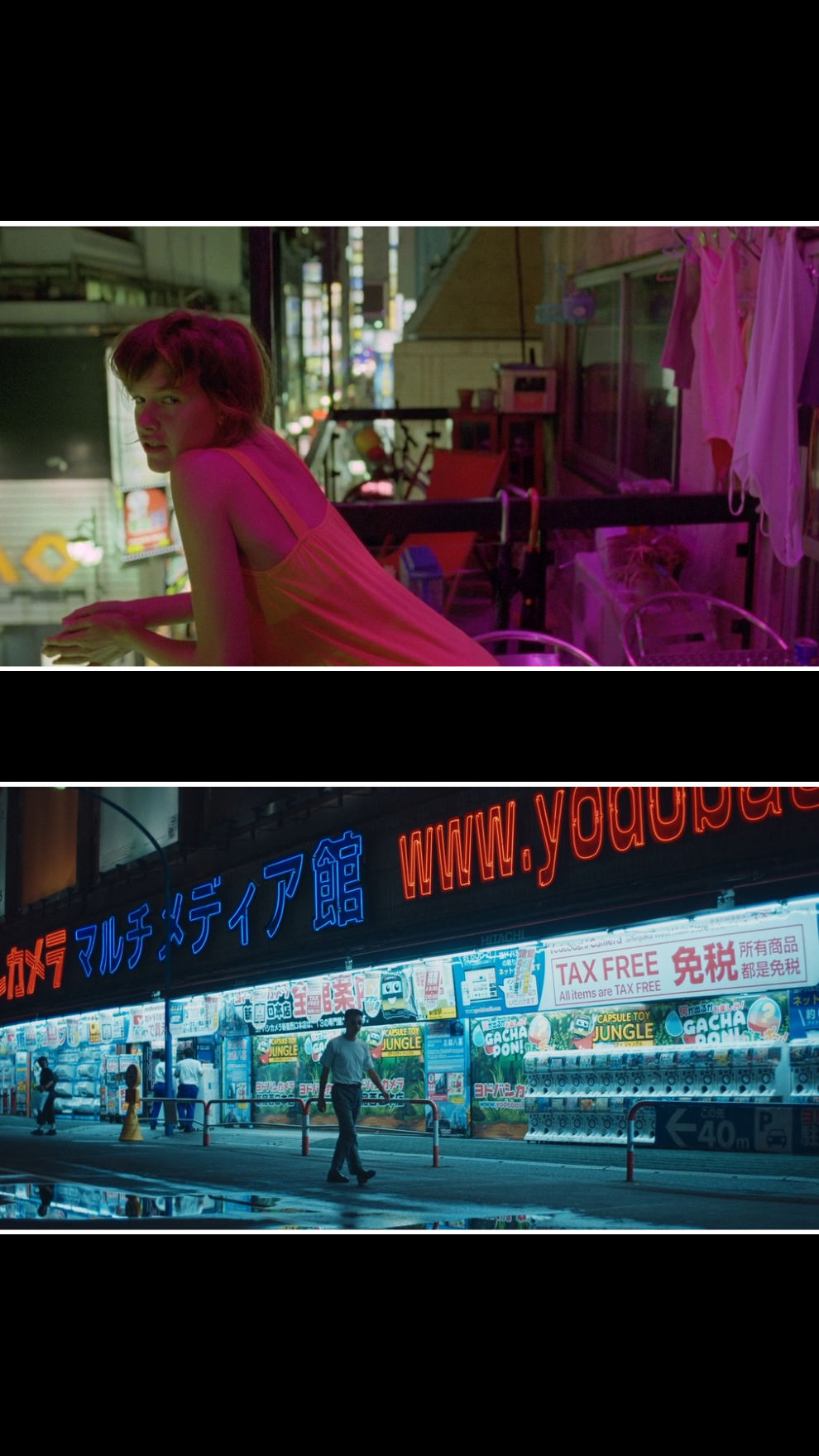
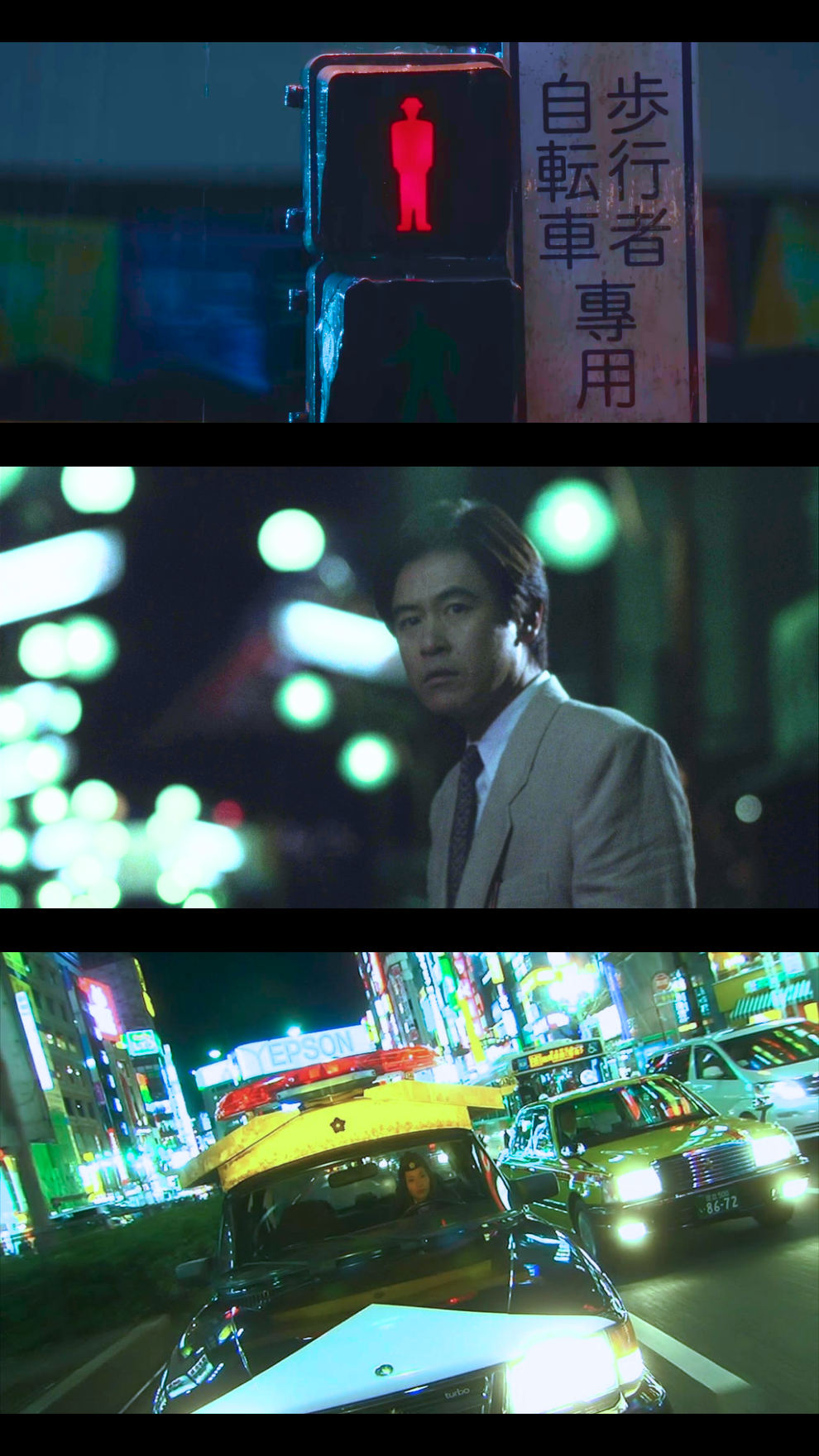
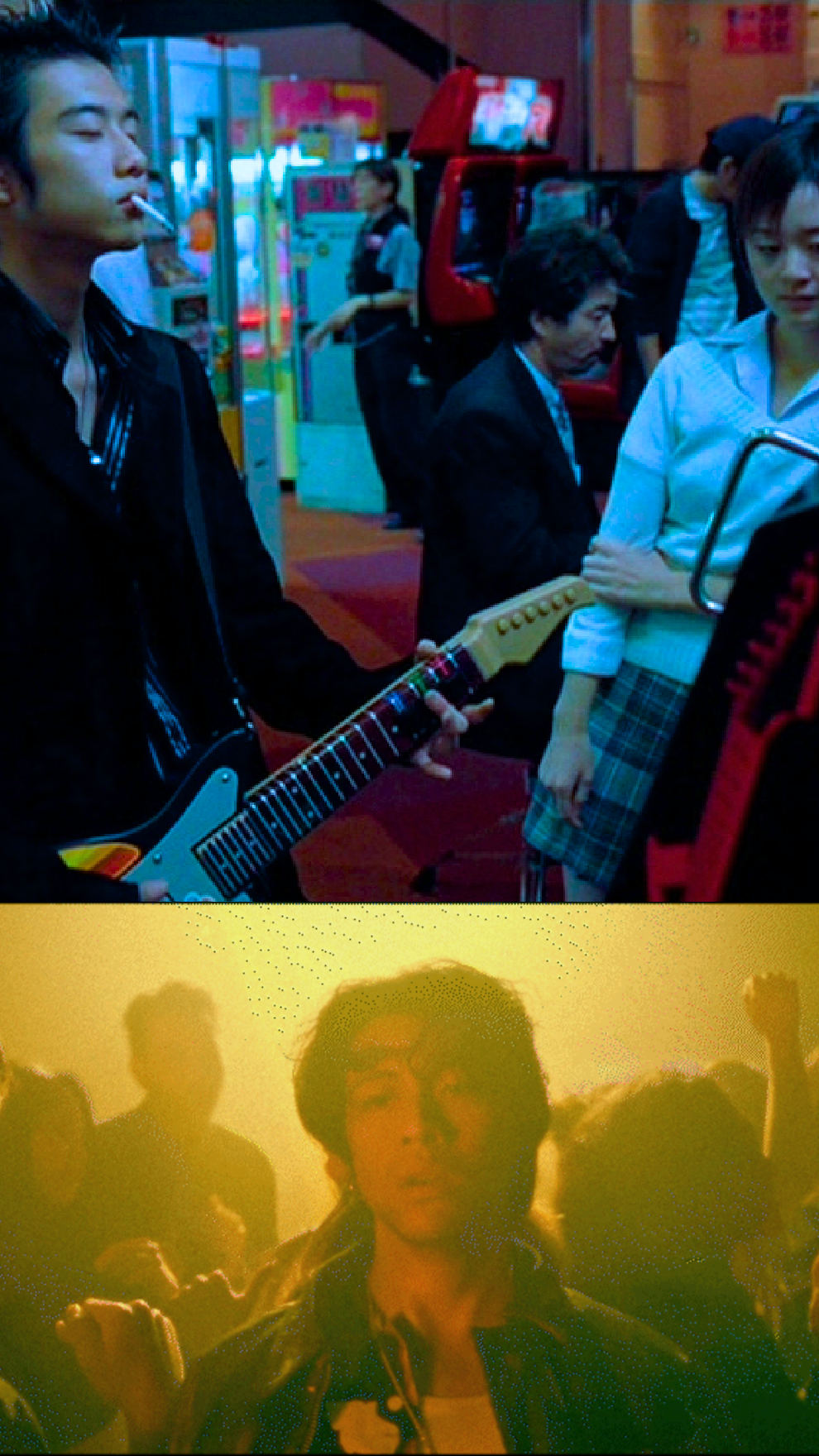
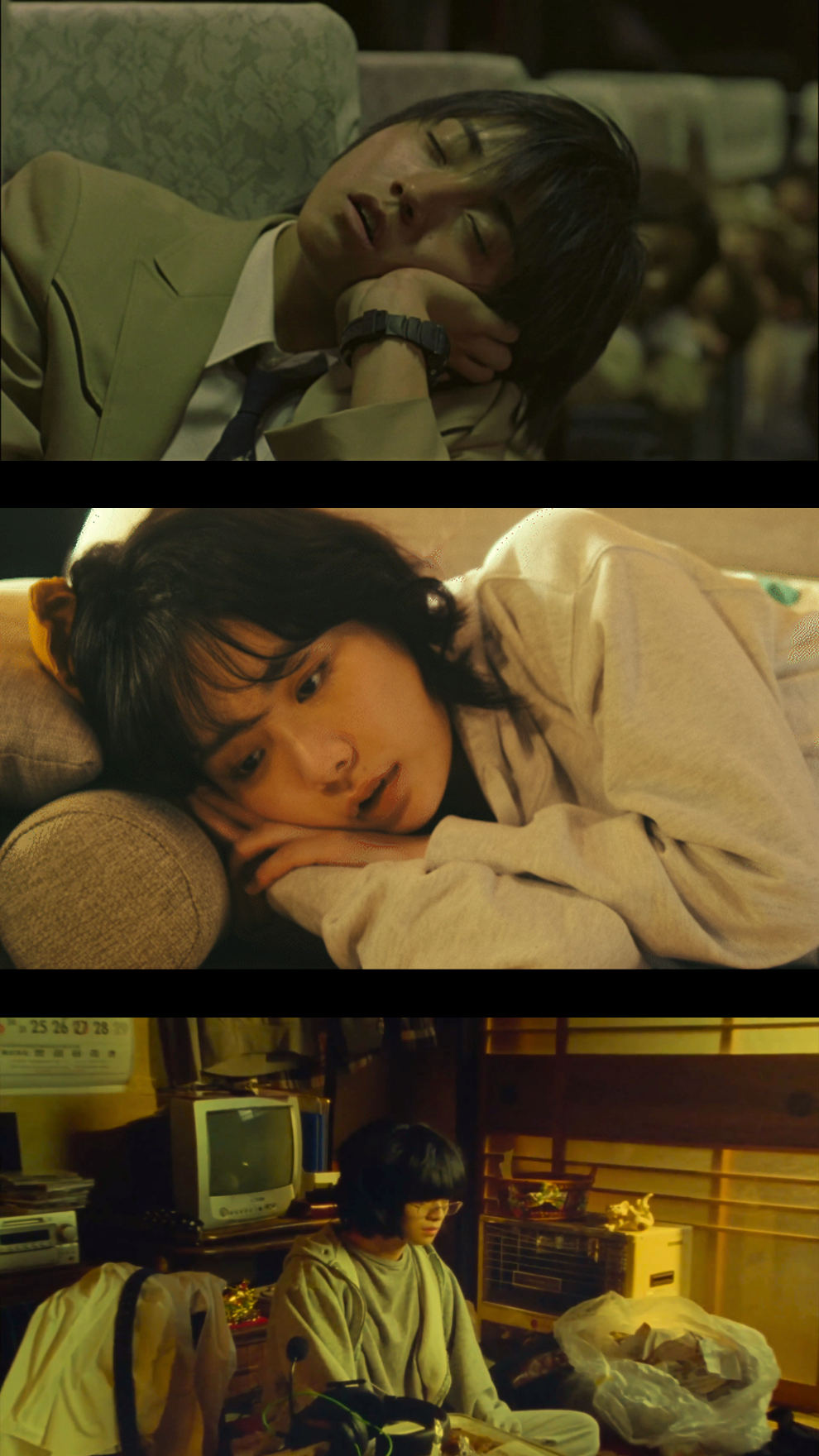
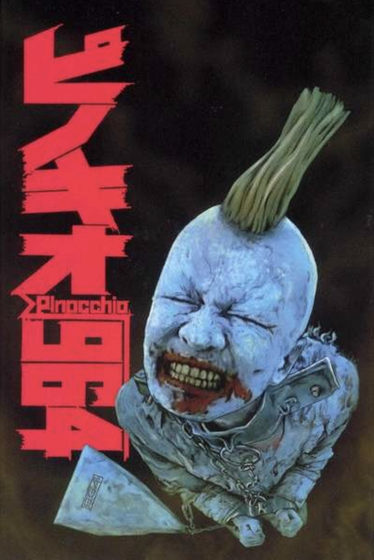
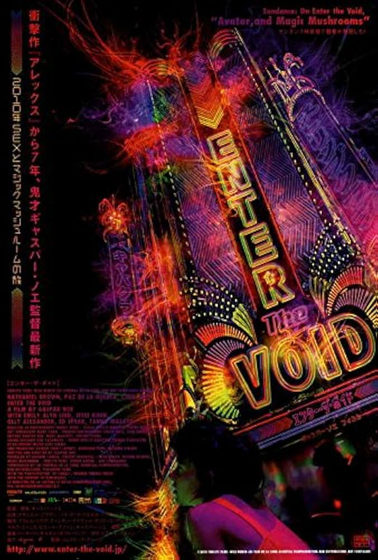
MELTDOWN captures Tokyo's nightlife through the underground brutality of 964 Pinocchio and the hallucinogenic sensory overload of Enter the Void. Like Fukui's guerrilla-filmed masterpiece, it uses real Tokyo crowds and locations where memory, identity, and connection fragment under extreme circumstances. The tone blends raw documentary realism with surreal, psychedelic sequences: handheld cameras capturing Shibuya's claustrophobic underbelly while erupting into disorienting visual excess. Thematically, it explores how tragedy strips away friendship facades, revealing existential isolation and urban alienation that defines Japanese cyberpunk cinema, serving as a cultural time capsule of Tokyo's vanishing youth culture where neon-drenched spaces trap young people in inescapable destructive cycles.

資料 LOOKBOOK

drag · scroll to resize · double click to pop

画角 ASPECT RATIO AS NARRATIVE DEVICE

16:9. When the ensemble is together, we stay in widescreen. This is the social reality: the group dynamics, the party chaos, the performed connections moving through Shibuya's nightlife.

4:3. When a character is alone, or we sit inside a single perspective, the frame tightens. Hinata applying makeup in her apartment. Tek transforming in the karaoke box. The suffocating intimacy of being trapped with yourself.

During the party, as the night unfolds, the frame snaps to 4:3 the moment someone steps away, dissociates, or the drugs hit, and opens back to 16:9 when the group closes around them again. The ratio becomes the visual language of connection versus isolation.

The final act: by dawn, as truth forces them back together, the aspect ratio itself becomes unstable. Are they truly connecting (16:9) or just occupying the same frame while completely alone (4:3)? The ratio reveals how our characters feel to the audience.

The 4:3 frame is intimate and voyeuristic, closer to how young people actually see and document their world, through phone screens and social media. The narrower format sharpens the claustrophobia of Tokyo's vertical maze while making room for the text messages, security footage, and social posts that drive the narrative.

It also supports our handheld, guerrilla aesthetic by being more forgiving in Tokyo's cramped locations, creating psychological intimacy over cinematic grandeur, perfect for capturing raw, unfiltered youth culture as a cultural document rather than polished entertainment.

音楽 MUSIC & MARKETING

Music defines this world of MELTDOWN. Tokyo's underground DJ scene, punks, and club culture are who these characters are. The soundtrack drives the film's energy and can create marketable, festival buzz. Vinyl releases, DJ event tie-ins, special music "VJ" screenings, and clips that could go viral on TikTok or other SNS, as well as streaming playlists, CD's, Vinyl, or other physical collectibles: the music has life beyond the film. Traditional indie distribution is broken: distributors dump films to VOD with zero marketing, no understanding of subcultures, and generic social campaigns. The music will give us many elements in creating a marketing campaign around the movie with live activations.

Why self-promotion is important, and how it protects the vision:

  1. 01Cast with built-in social following (Sisley Choi: 1M+ across platforms) gives direct audience access. Other cast to be attached i.e. musicians, rappers, models all with followings.
  2. 02Underground club culture + transgressive youth cinema = audiences who actively seek and share, not passive viewers. Niche audiences will be our best friends in creating buzz.
  3. 03Event screenings with DJ performances in key diaspora markets create cultural moments, not just releases.
  4. 04Music-forward identity makes the film memorable in festival contexts where sonic identity cuts through.

In 2026, marketing isn't just the distributor's job anymore. A film no one sees can't make cultural impact. Allocating budget for targeted outreach, social content from the Tokyo shoot, and launch coordination ensures MELTDOWN reaches the audiences who will champion it.

WHY THIS MOVIE NOW?

Tokyo's youth culture is vanishing as Japan faces demographic collapse.

Within two decades, Shibuya's raw nightlife energy will be extinct, sanitized by an aging society.

MELTDOWN captures the final moments of a generation partying.

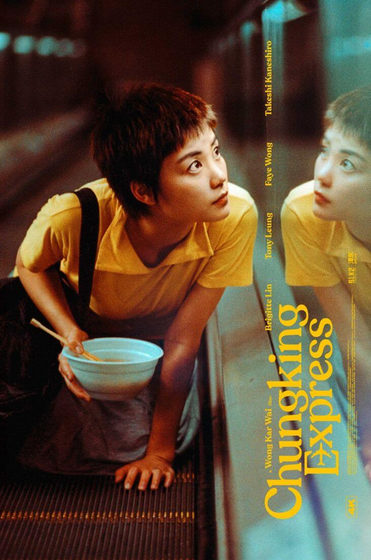
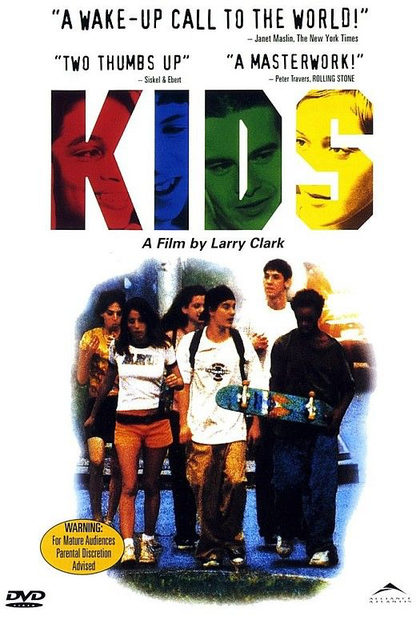
Like Kids immortalized 90s New York or Chungking Express preserved pre-handover Hong Kong, we're documenting the last gasps of Tokyo's underground before it changes permanently.

This is cultural archaeology, creating tomorrow's nostalgia while examining how disconnection has become the default for young people worldwide.

964 pinocchio poster
964 pinocchio
enter the void poster
enter the void
chungking express poster
chungking express
kids poster
kids
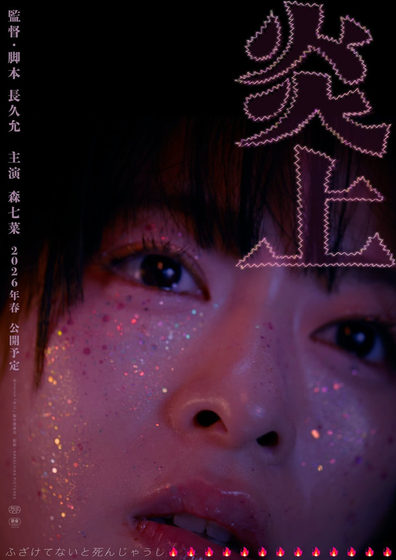
burn poster
burn

HARRISON HOUDE

ハリソン・フッド

Harrison is a Canadian multi-hyphenate filmmaker whose recent Japanese-English short film "Cafe Racer" earned Best Director at the 2022 Tokyo Film Awards and multiple Leo Awards including Best Cinematography. With official selections across five Tokyo-based festivals and the Beverly Hills Film Festival, Harrison has proven his ability to create work that resonates with both Japanese and international audiences.

His directorial debut, the bilingual feature "Tight Lettuce" ($2.4M budget), premieres at the Fantasia International Film Festival in summer 2026, selected for two official competitions. Harrison brings the perfect synthesis of insider access and outsider perspective to Tokyo's nightlife culture.

As a bilingual filmmaker embedded in the city's underground scene, he combines his background as a Canadian Screen Award-winning actor with his distinctive visual sensibility to guide performers through emotionally authentic improvisational territory.

His work draws from a wide spectrum of influences, from Disney to Gaspar Noé, creating a quirky, immediately recognizable style. With extensive networks spanning Vancouver, Los Angeles, Quebec, and Tokyo, plus his synthwave project Tokyo Rat, Harrison offers both the cultural fluency and technical expertise needed to capture Japan's vanishing youth culture in what will become a defining cultural artifact for future generations.

Harrison Houde

制作 producing team

The award-winning production team behind Vesperia Films consists of Dakota Daulby, Harrison Houde, and Jan Sikora.

Daulby's recent work includes the Emmy-nominated Shōgun, the box office hit Longlegs, and Apple TV's Smoke.

Houde brings extensive network connections across Vancouver, Los Angeles, Quebec, and Tokyo, with proven experience producing for major digital creators like MrBeast.

Sikora currently serves as director Rachel Goldberg's personal assistant on Netflix's Avatar: The Last Airbender.

Vesperia Films just completed production on a short film "Term" starring Emmy-nominated Dean Norris (Breaking Bad) currently in post-production, and is in pre-production on a feature collaboration with National Lampoon while gearing up for the 2026 release of Tight Lettuce alongside Vital Films from Quebec, Canada.

Collectively, the trio has worked with major studios including Bron Studios, Netflix, TVOKids, Discovery Asia, and more, with over a decade of experience producing shorts, features, and digital media.

日本 JAPAN PARTNERS

PIW Inc.

PIW Inc. is a Tokyo-based creative production company specializing in cinematic commercial work, documentary storytelling, and youth-focused visual culture. Their team works fluidly across bilingual sets, delivering high-end visuals for major Japanese brands and global-facing campaigns. PIW's clients span some of Japan's most recognizable companies, including Adidas Japan, Meiji, Isetan Mitsukoshi, LIXIL, Mandom (GATSBY), and Nichirei Foods, as well as leading universities and creative institutions. Their work ranges from branded films to story-driven short-form pieces rooted in authenticity and contemporary Japanese aesthetics. The company has collaborated with notable talent such as Yuki Kaji, Kazuma Kawamura (THE RAMPAGE / EXILE TRIBE), Hitomi Takahashi, Hatamei, Kota Nomura, and Ryo from Tokai On Air, along with rising creators and musicians shaping Japan's digital and youth culture. With a focus on agile, culturally fluent production, PIW brings a grounded approach to casting, directing, and visual execution, making them an ideal partner for projects that require authentic access to Japan's creative landscape.

Ivan Collazo

CONSULTING PRODUCER

Ivan Collazo is a producer and creative partner working across Tokyo, Los Angeles, and New York, specializing in multicultural and cross-border filmmaking. Deeply embedded in Japan's creative landscape, Ivan connects international productions with top-tier bilingual crews, casting agencies, animation studios, and production companies nationwide, bridging cultures, workflows, and expectations with precision. His producing credits include the Japanese short Kyoudai and the upcoming features Seasons and Degrees of Pain, with additional projects in development spanning film, television, and animation. Ivan's background as a writer and actor gives him a rare dual perspective, balancing creative instinct with on-the-ground operational clarity, which makes him a trusted collaborator for both U.S. studios and Japanese filmmakers navigating the nuances of bilingual production. Focused on authentic storytelling and seamless cross-cultural execution, Ivan brings a grounded, real-world approach to building teams, guiding talent, and supporting directors through every stage of development and production.

Ruriko Takahashi

producer / casting director

From 2020 to 2024, Ruriko worked as a Casting Associate at KAIJU INC., contributing to numerous international productions, including HBO's TOKYO VICE series. Now working independently, she collaborates with both domestic and international production teams across a wide range of projects, including commercials, films, reality shows, and music videos. In addition to casting actors and models, she specializes in street casting and discovering real people, bringing a flexible approach that aligns closely with each project's world and the director's vision. From an early age, she has pursued traditional Japanese arts such as tea ceremony, Japanese flower arrangement, and traditional musical instruments, giving her a deep familiarity with Japanese traditional culture while working within the global entertainment industry.

Kateb Habib

cinematographer

French-born, Tokyo-based cinematographer known for his bold visual style and emotionally impactful work across narrative features, music videos, and commercials. Shot PARASITE IN LOVE (2021, dir. Kensaku Kakimoto), a visually striking Japanese theatrical release starring Kento Hayashi and Nana Komatsu that premiered at Nippon Connection Film Festival. His work blends documentary-style authenticity with striking color and lighting choices. Collaborators include directors Kensaku Kakimoto, Scott Dungate, Genki Ito, and acclaimed photographer/director Renell Medrano (Vogue, Kendrick Lamar, Tyler the Creator). Has shot for artists and brands including Kaytranada, Khruangbin, Feid, Infiniti, Nike, and more.

Masahiro Usui

CONSULTING PRODUCER

"this night went to shit, didn't it?"

- yeah, but I don't regret it, do you?

THANK YOU

harrison@vesperiafilms.com